Collegium Helveticum
Switzerland

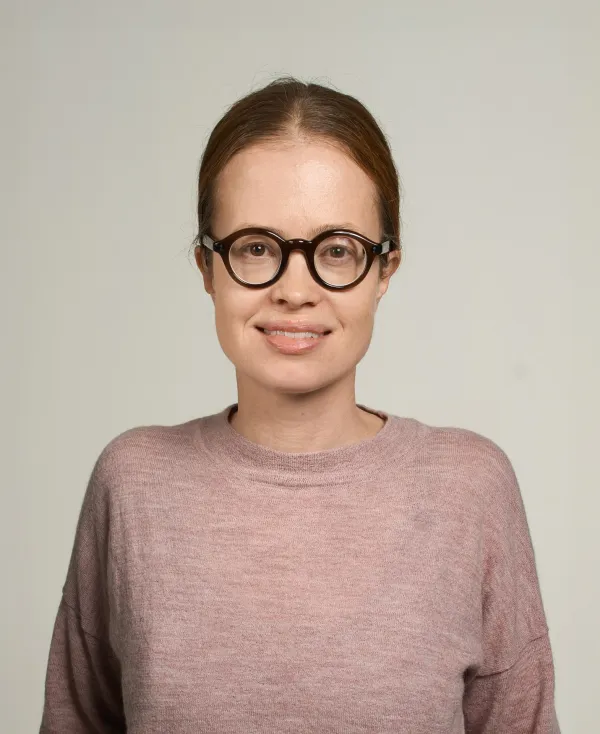
Anna Magdalena Elsner is associate professor of French Studies and Medical Humanities at the University of St. Gallen. Her work on death, dying, and mourning in twentieth-century and contemporary French literature, philosophy and film aims to foster a culture of critical as well as transdisciplinary thinking about medicine, care and the end of life. She is the principal investigator of Assisted Lab, an ERC project that engages with the aesthetics, laws and ethics of assisted dying.
Anna holds a BA in philosophy and modern languages from Oxford University and obtained her PhD in 2011 from the University of Cambridge. She has since held positions and fellowships at King’s College London, the University of Texas Medical Branch, the Yale Interdisciplinary Center for Bioethics, the Hastings Center, the University of Zurich and the Camargo Foundation, Cassis. She is the author of Mourning and Creativity in Proust (Palgrave, 2017) and the co-editor of The Proustian Mind (Routledge, 2022) and Literature and Medicine (Cambridge UP, 2024).
This project examines palliative care–the paradigmatic end-of-life care modality in the West since the 1970s–and assisted dying, an umbrella term encompassing both assisted suicide and euthanasia, in French literature, philosophy, and visual culture. The research will result in a book manuscript excavating a new cultural history of dying in contemporary France. By drawing on a mostly unexplored corpus of material–autobiographical writing, documentary film, and photography that engage with palliative care and assisted dying–the project opens new avenues for understanding the interplay between culture, history, and medicine’s relationship with death in France. It argues that the diverse aesthetic representations of dying are part of a broader cultural tradition, while also being intricately linked to with idiosyncratic local, historical, and national contexts of end-of-life care.
palliative care; assisted dying; euthanasia; end-of-life care; French literature; French culture; visual culture; documentary film; photography; autobiographical writing; cultural history; medical humanities; death and dying; bioethics; philosophy of medicine.