
Collegium Helveticum
Switzerland

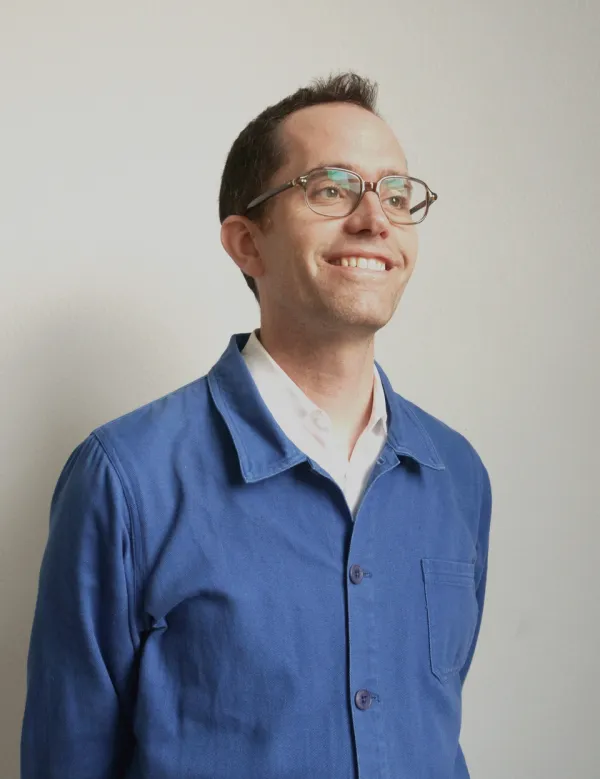
Reto Geiser is an architect and scholar specializing in modern architecture. He serves as an associate professor at the Rice University School of Architecture (US), where his research explores the impact of architectural modernity on representation and media, design pedagogy, and the historiography of architecture. Situated at the intersection of multiple disciplines, Reto is interested in fostering dialogue between past and present, as well as between theoretical inquiry and engaged practice.
Reto’s current research projects include “Reverse Ruins,” which examines construction site photography, and a critical monograph on Miami-based Arquitectonica’s work in Houston during the 1980s. He is the author of Giedion and America: Repositioning the History of Modern Architecture (2018) and the editor of Liberated Dwelling (2019), the first English translation of Sigfried Giedion’s seminal 1929 manifesto. Reto also edited and designed Archetypes: David K. Ross(2021), which featured a series of architectural mock-ups staged at night, highlighting how these objects function as a form of proto-architecture.
As a founding partner of the award-winning design practice MG&Co., Reto develops spatial strategies across a variety of scales, from the book to the house.
This project examines the construction site as an ephemeral and often overlooked stage in the production of architecture—one that vanishes as buildings are completed. Archival photography of building sites serves as a lens to explore how these spaces reflect the cultural, geographic, and economic conditions of their time. They reveal technological progress and societal transformation. Reverse Ruins focuses on a type of photography that has largely been neglected in architectural histories, aiming to trace and highlight moments in the construction process through images that capture a building’s unfinished state.
While construction sites often display sophisticated building techniques and assemblies, they also mirror the state of the economy and prevailing labor conditions. They are arenas of negotiation and politics, theaters of ideology, and spaces of nation-building. With the advent of greater planning and control, construction sites can also be viewed as places where the architect’s authority is challenged, requiring improvisation and compromise—an unsettling contrast for a profession accustomed to maintaining control.
architectural history; construction history; archival photography; visual culture; ephemeral architecture; material culture; labour history; economic history; cultural history.