Institute for Advanced Studies in the Humanities
United Kingdom

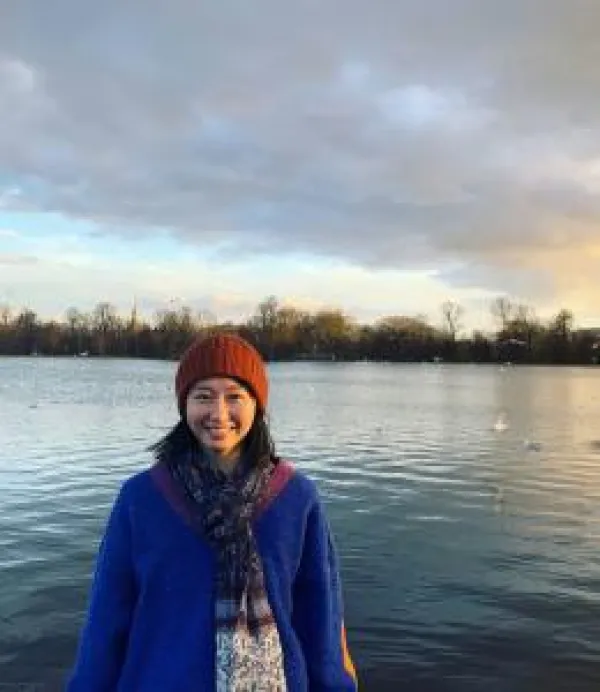
Dr Yawen Li received her PhD in English and Comparative Literature from the National University of Singapore and King’s College London, where her dissertation was awarded the Maurice Baker Prize. Her forthcoming book, The Melancholy of Kinship in Post-reform China and Postcolonial Literature, brings post-reform Chinese cultural texts into conversation with postcolonial novels from Africa and Asia to explore the shared experience of kinship loss as a response to state violence, socioeconomic dispossession, and historical trauma. Yawen’s scholarly work has appeared in The Palgrave Handbook of Literary Memory Studies, Chinese Literature and Thought Today, Made in China Journal, COVID-19 in International Media, and Crossroads: An Interdisciplinary Journal of Asian Interactions. She also writes for Sinophone platforms such as Initium Media, The Paper, and Jiemian News on postcolonial criticism, racial politics, labour culture, feminist imaginaries, and transnational activism. Yawen has translated works by Arundhati Roy and Refaat Alareer into Chinese.
Yawen’s postdoctoral project examines contemporary Chinese grassroots artist-activists’ aesthetic practices of solidarity from 2020 onwards in response to recent global struggles. This project is guided by three key questions: How has anticolonial internationalism shaped radical leftist thought in modern Chinese history, and what lessons can we draw from it? How do grassroots artists and activists in present-day China creatively engage with global social movements, such as Ukraine Solidarity Campaign and the global Pro-Palestine movement, and what is the wider significance of their work? What are the domestic implications of these Chinese cultural expressions of transnational solidarity, especially as they emerge during a time of heightened political repression at home?
Postcolonialism; feminism; racial politics