Collegium Helveticum
Switzerland

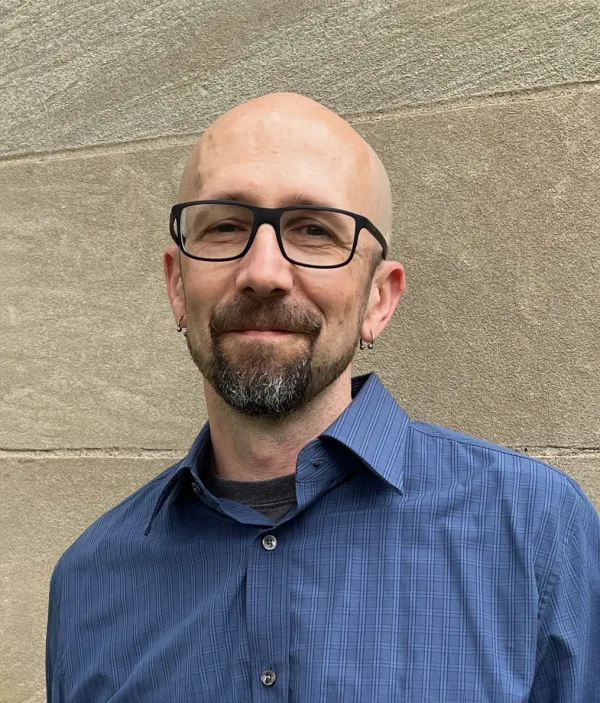
Dylan Millet is an atmospheric chemist who investigates both human-driven and natural processes that shape the composition of our air. He focuses particularly on atmospheric organic compounds, which influence the atmosphere’s “self-cleansing” capacity and contribute to the formation of secondary pollutants. His research group develops new satellite observations, conducts field measurements in environments ranging from dense cities to remote regions, and uses atmospheric models to understand how these processes affect climate, air quality, and human and ecosystem health.
Dylan holds a BSc from the University of British Columbia (CA) and a PhD from the University of California, Berkeley (US), followed by postdoctoral research at Harvard University (US). He is currently a Distinguished McKnight University Professor at the University of Minnesota.
Many regions of Africa are undergoing rapid changes—from agricultural expansion and shifting fire regimes to climate variability, population growth, and increasing urbanization. Yet the impacts of these transformations on air quality and climate remain poorly understood. This gap is critical, given that air pollution causes more than one million deaths annually on the continent and its population is expected to exceed three billion in the coming decades.
This project will integrate new satellite-based observations with atmospheric modeling to better characterize key chemical emissions across Africa. The results will support more accurate atmospheric predictions for the region and areas downwind.
atmospheric science; air quality; climate change; satellite remote sensing; atmospheric modeling; chemical emissions; Africa; land use change; agricultural expansion; fire regimes; climate variability; urbanization; population growth; public health; environmental science; geospatial analysis; pollution and mortality; regional climate; earth observation; environmental policy.