
Institut d'études avancées de Paris
France

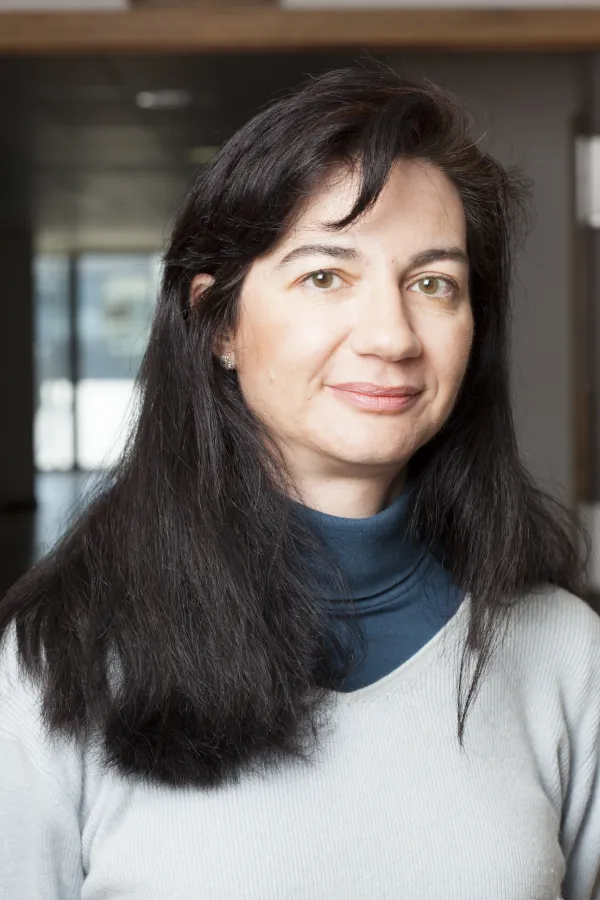
Maria Nadia Postorino is full professor of Transportation Engineering at the University of Bologna. Her research activity focuses mainly on the modelling of transportation systems, both current and innovative, included their impacts. She has been invited researcher at the Collegium de Lyon-IEA, Ecole Normale Supérieure, Université de Lyon, Visiting Professor at the School of Computing-University of Portsmouth and at the University Paris 1 Panthéon-Sorbonne. She is reviewer for international journals (IF rated), Editor-in-Chief of the International Journal of Traffic and Transportation Engineering, component of the Scientific Committee of the Ecole Nationale des Ponts et Chaussées (France) and of Naval Group (international naval company).
The project develops several seminars, with the general goal of bringing together experts in various disciplines to dialogue around the common theme of sustainability, to identify insights and issues that can be the subject of subsequent in-depth discussions – for example, for the identification of appropriate curricular pathways within UNA Europa, for doctoral research topics, for creating synergies between researchers and participation in competitive projects. In addition, the goal is to bring together experts in different disciplines around the common topic of sustainability for transport and mobility, by considering the different perspectives and the multidisciplinary nature of the subject “transport”. Particularly, discussed topics will focus on exploring how current Mobility-as-a-Service (MaaS) services affect access to transport for disadvantaged communities – particularly those living in Priority City Districs (PCD) and the main barriers (economic, technological, infrastructural) that prevent the equitable use of MaaS by these groups together with the main externalities resulting from the adoption of MaaS. Policies or strategies that can be implemented to optimise the benefits of MaaS and minimise negative impacts, included social ones, in PCD will also be investigated.
mobility; Sustainable mobility; Mobility-as-a-Service; MaaS