
Netherlands Institute for Advanced Study in the Humanities and Social Sciences
Netherlands

Rahul Rao is a Reader in International Political Thought in the School of International Relations at the University of St Andrews. Prior to this, he worked at SOAS University of London from 2008–23, where he was promoted to Professor shortly before leaving and where he remains a Professorial Research Associate. Between 2005–08, he was Term Fellow in Politics at University College, University of Oxford. Rahul read for a DPhil in International Relations at Balliol College, University of Oxford, where he was a Rhodes Scholar, and has a BA, LLB (Hons.) from the National Law School of India University. He is a member of the Radical Philosophy editorial collective and used to blog at The Disorder of Things.
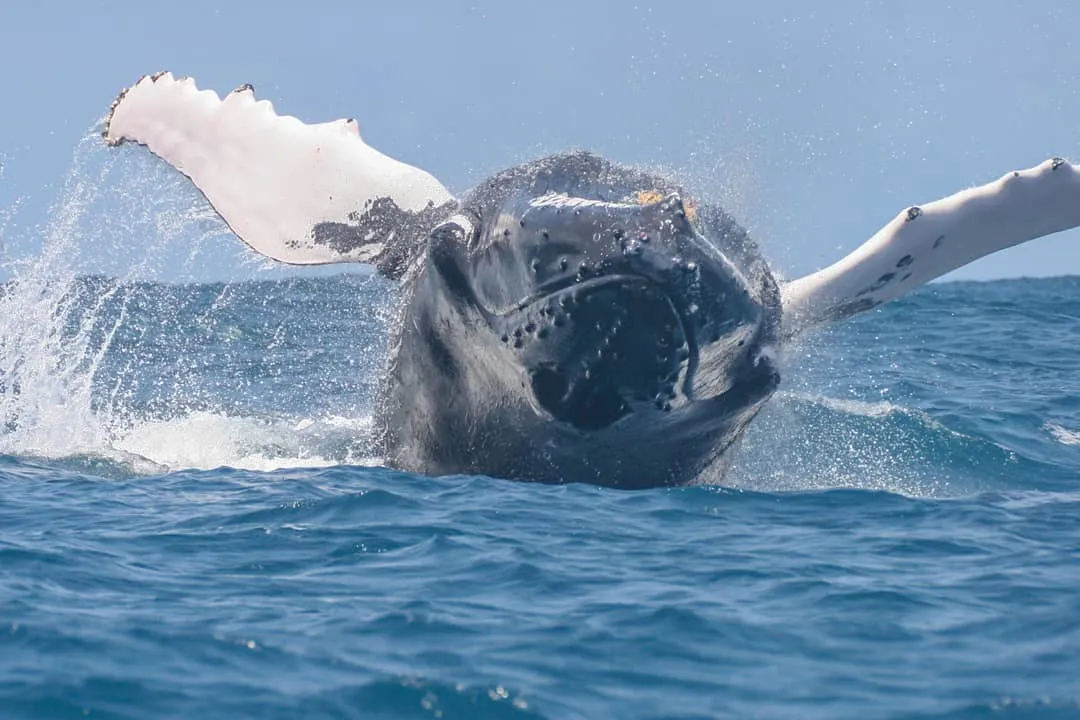
Research question: How would imagining a world order constructed around the needs of animals, and specifically whales, unsettle our thinking around core preoccupations in social and political theory?
Whales have a uniquely unstable place in sociopolitical thought. Figured as Leviathan – the sea monster – the whale represents absolute surrender to God in the Book of Job and to the state in Hobbes’s eponymous text. But whales have also been treated as a natural resource ‘harvested’ by an industrial capitalism that hunted them to commercial extinction. In a post whaling moratorium world, the very societies that once hunted whales now regard them as totems for intelligence and emotional depth, in a belated and weak echo of Indigenous cosmologies that have long centred whales. Whales thus trouble the categories of humanist and posthumanist inquiry alike, simultaneously appearing subhuman, somewhat human and more-than-human.
Drawing inspiration from the more-than-human turn in the humanities and social sciences as well as a discernible interest in aquatic life in queer and trans studies, Rahul Rao asks how taking seriously the strivings of whales might unsettle thinking around core preoccupations of social and political thought. More specifically how have the interactions and entanglements between humans and whales forced them to revise and reconceive their worldmaking projects?
international relations; postcolonial and queer theory; politics of South Asia; global politics of identity – gender, sexuality; race and caste