
Netherlands Institute for Advanced Study in the Humanities and Social Sciences
Netherlands

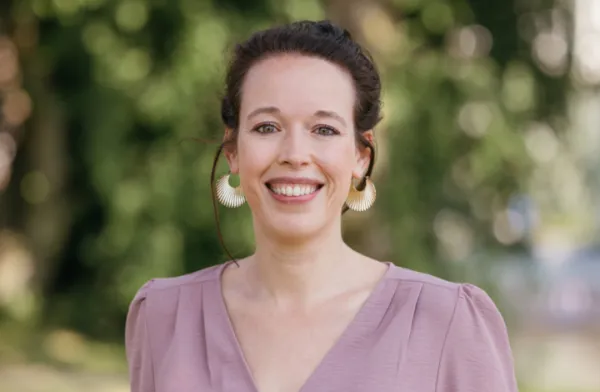
Femke is an Instituut Gak Fellow at NIAS during 2024-2025.
Prof. Dr. Femke Roosma is professor by special appointment at the Dr. J.M. den Uyl chair. She conducts research into the welfare state and social policy, and how these can ensure better social security and more social cohesion in society. In particular, she looks at how we can strengthen the legitimacy of the welfare state and how social policy can be more in line with what society considers important. How can the welfare state democratize?
Research question: What types of social policy alternatives are supported by different segments of the Dutch general public? How do these groups evaluate such alternatives in comparison to existing policies?
The Dutch welfare state is at a turning point. Shaped by outside pressures, internal challenges, and fresh ideas, it’s being pushed toward reform to better meet new social needs. But what should this transformation look like? And what kind of welfare state do people actually support?
Femke Roosma’s project starts with a key question: how socially legitimate are different policy alternatives? It explores public support for a wide range of social policy proposals—looking at what types of policies people prefer, which groups they think should benefit, and how these policies should be put into practice. The research also examines whether people favour new ideas over existing ones, and which social, political, or economic groups back different approaches.
Using a mix of existing survey data and a new survey experiment carried out in December 2023, the project analyses these preferences across society.
Welfare state attitudes; policy preferences and legitimacy; social policy reform; public opinion on redistribution