
Netherlands Institute for Advanced Study in the Humanities and Social Sciences
Netherlands

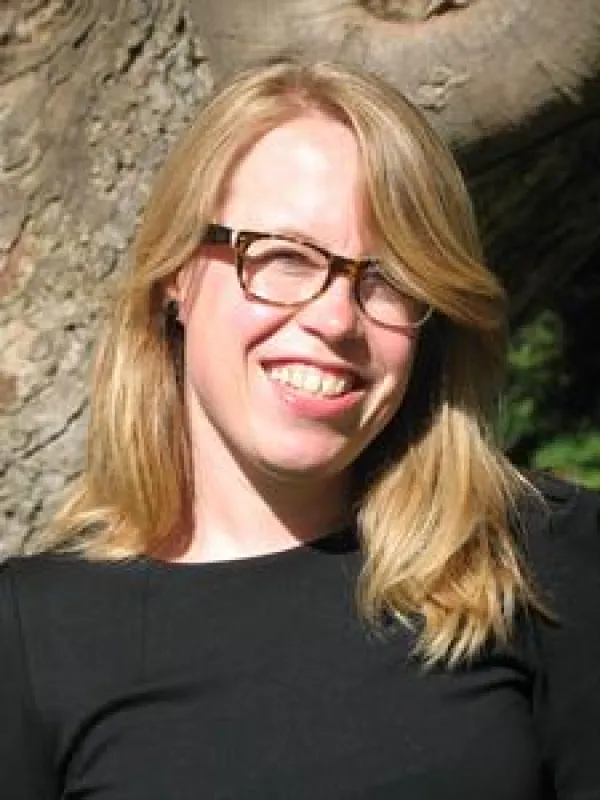
I am an art historian specialising in western European art in a global context during the sixteenth and seventeenth centuries. My work is driven by the question how people in the past gave meaning and attributed value to works of art and material culture at the time they were made and long afterwards. I have published extensively on art in Renaissance Italy, particularly Venice, and on the long history of display. My current research focuses on the circulation of art objects on the early modern oceans, and I teach various modules in relation to this work. I also have a strong research and teaching interest in portraiture.
My research has been widely published. My first monograph The Lives of Paintings: Presence, Agency and Likeness in Venetian Art of the Sixteenth Century (published by De Gruyter in the series Studien aus dem Warburg-Haus, 2017) was nominated for the Karel van Manderprijs, the prize for best publication of the Association of Netherlands Art Historians (VNK). This book examines how people in Titian’s Venice interacted with sacred and secular paintings in their daily lives. I am the editor, with Caroline van Eck and Joris van Gastel, of The Secret Lives of Art Works (Leiden University Press, 2014), and have published articles in leading journals including Art History, Viator, Journal of the History of Collections, and Renaissance Studies.
I am currently working on my second monograph, which focuses on the oceanic journeys of early modern art objects, especially those travelling within the Portuguese maritime empire. What happened to objects on board ships when they crossed the dangerous oceans, and how did their fates intersect with early modern empire-building, colonisation, and the extraction of resources? This project has received generous support through fellowships at the Netherlands Institute for Advanced Study and the Leverhulme Trust.
I received my PhD (cum laude) from Leiden University in 2011 and joined the School of Art History at St Andrews in 2012. Beyond St Andrews I am a member of the editorial board of ArtHist.net and sit on the Conference Committee of the UK’s Association for Art History. I have recently joined the board of the Iberian and Latin American Visual Culture Group ARTES. At St Andrews I coordinate the interdisciplinary network for material culture Talking Things.
I warmly encourage prospective PhD students to get in touch with innovative projects in the areas of Italian and Iberian art and material culture of the period 1500 to 1700.
How did piracy and maritime warfare impact the circulation of goods on the Portuguese India Run? How did the seizing and destruction of ships shape a European visual and textual discourse about the global movements of objects?
When, around 1600, the Portuguese maritime expansion into Asia reached a peak, other European nations, such as the Dutch United Provinces, increasingly thwarted Portugal’s monopoly of trade routes in the Indian Ocean. My project focuses on the material impact of such acts of piracy and warfare on the Portuguese India Run. On the one hand, I examine the cargoes taken – consisting of textiles, spices, drugs, bullion, furniture, gemstones, porcelain, and countless other ‘exotic’ objects – and where these goods and objects went. On the other, the project studies the international legal debate that sprang up around these acts of sea-based violence. The Fellowship is among the first to examine this body of thought from the point of view of material culture and will reveal how seized ships shaped European critical thinking about the global circulation of portable objects.
Maritime piracy and warfare; Portuguese India Run; circulation of colonial commodities; material culture and legal thought