
Iméra - Institute for Advanced Study of Aix Marseille Université
France

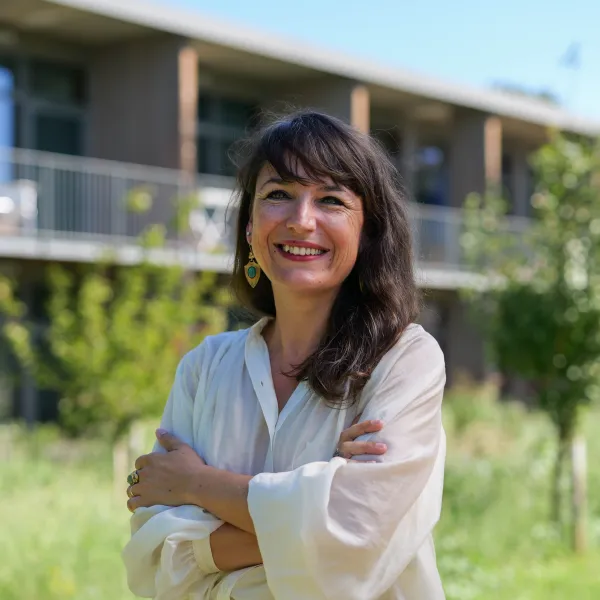
Céline Ventura Teixeira has been Maître de conférences in Modern Art History at Aix Marseille Université since September 2019 and specialises in the arts of the Iberian Peninsula. A research fellow at the Institut National d’Histoire de l’art (2009–2013), she subsequently served as a visiting researcher at the Bard Graduate Centre (New York), before winning the Fondation des Treilles Young Researchers’ Prize and undertaking postdoctoral research at Labex-CAP (National Institute of Art History / Sèvres – National Manufactory and Museum). Her research focuses on the decorative arts, ornamentation and jewellery, examined through the lens of the circulation of models, techniques, ideas and artists between the Iberian Peninsula and both the East and West Indies. During her André Chastel (INHA)/Villa Medici research fellowship, she focused on the reception of precious and semi-precious stones from the Americas and the East Indies within the artistic, intellectual and diplomatic circles of 16th-century Rome. She is currently working with Sophie-Bérangère Singlard (Aix Marseille Université–CAER) on the translation and critical edition of Juan de Arphe’s Quilatador de oro, plata y piedras preciosas (1572).
Aztec-Mexica masks made of turquoise, obsidian mirrors, jade from New Spain, emeralds from New Granada or bezoars from the Indies, the aim is to analyse the varying degrees of reception, interpretation and reworking within Mediterranean artistic centres. Moving beyond mere collecting or the all-too-frequently applied ‘exotic’ dimension, this study proposes to examine these artefacts and precious materials through the lens of chronicles, travel accounts and treatises on art, in order to reconstruct the complexity of the perspectives held regarding these materials and the knowledge they convey. From Lisbon to Venice, via Seville, Madrid and Rome, this project aims to trace the circulation of these objects and shed light on the lives of these works of art, whose materiality—whether concrete or symbolic—manifests itself differently depending on the contexts and societies that appropriate them. By emphasising the mobility of these objects and the density of the networks they weave, this research examines the dynamics of creation and exchange which, transcending geographical and disciplinary boundaries, form the basis of an art history characterised by ‘intertwined destinies’ and invite us to shift our perspective.
Art; Art History; Mediterranean