
Freiburg Institute for Advanced Studies
Germany

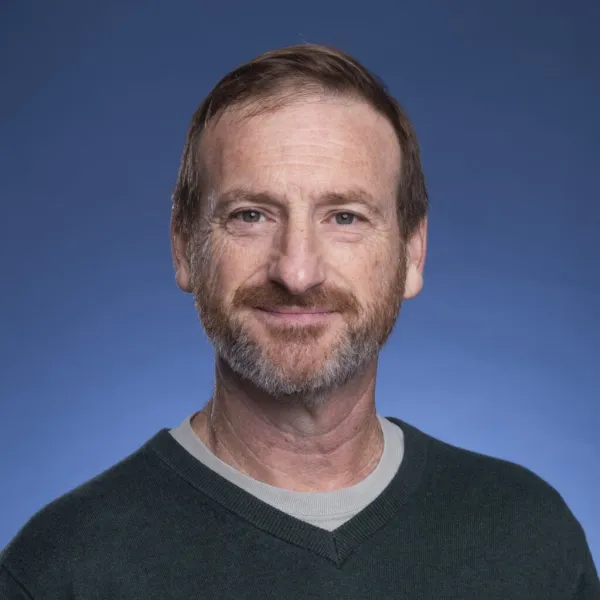
Casey Walsh earned his PhD at the New School for Social Research, and is currently Professor at U.C. Santa Barbara, where he served as Anthropology department Chair from 2018 to 2023. His area of specialization is anthropological political economy, with a focus on the Mexico-US borderlands. His research shows how water, land and labor have been organized to produce commodities in areas marked by aridity, shaping the lives of everyday people. His first book (Building the Borderlands) details how a regime of accumulation based in irrigated cotton agriculture gave form to borderlands infrastructure, society and culture. His second book (Virtuous Waters) explores the ways that waters have been used, managed and conceptualized as heterogeneous and effective over the long durée in Mexico. He has been a Fulbright scholar in Mexico and Spain and edits the Journal of Political Ecology.
This is an anthropological study of the social and cultural dimensions of groundwater regulation in California. It draws on ten years of field research about how people in California’s Cuyama Valley conceptualize community and manage groundwater in a context of rapid depletion, climatic uncertainty and globalized capitalist agriculture. The book I will write, Neighborly Waters: Groundwater Regulation in California, explores the design, implementation and effects of the Sustainable Groundwater Management Act (SGMA), which aims to reduce groundwater extraction by 20% across the state of California. It tells a story of local residents as they contribute to building regulatory institutions and practices to end groundwater depletion. They do this in opposition to large non-local agribusinesses owned by financial capital, which seek to maximize their use of the water for as long as possible. In this struggle, local actors have learned to work with each other as “good neighbors,” acquiring expertise in water law and geohydrology, questioning the environmental destructiveness of unregulated capitalist enterprise, and recasting the meaning of property. This is the basis of a 21st century “mode of regulation” that organizes a reduction of pumping to achieve sustainable groundwater use.
Political economy; mexico–us borderlands; commodities; history; infrastructure