Netherlands Institute for Advanced Study in the Humanities and Social Sciences
Netherlands

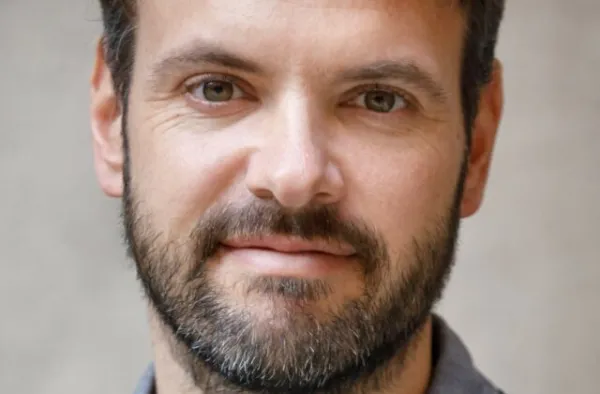
Markus is a NIAS Theme Group Fellow (Future of Progressive Politics) during 2023-2024.
I am a Professor for quantitative methods in political science at the University of Vienna. I've been in Vienna since 2009 - before that, I did my BA at Warwick University and my PhD at the London School of Economics and Political Science. I grew up in Germany, with a British mother and German father, and lived in the US for several years as a teenager. Still, living in Vienna is like coming back home - my Austrian great-grandparents got married less than a km from my office.
My research, described in more detail here, looks mainly at political parties and electoral behaviour, with a particular focus on the role of issues and ideology for how parties compete and how voters decide. A lot of my research has been carried out as part of the Austrian National Election Study (Autnes). Another strand of my research looks at what voters expect from their representatives in parliament.
I regularly give interviews to national and international media (online, print, radio, TV) on topics such as Austrian and UK politics, radical-right populism, and the role of emotions in political decision-making. Outlets I have talked to include the New York Times, the BBC, NBC, Die Zeit, ORF (Zeit im Bild 2, ZIB Magazin, ZIB24, Report), the Atlantic Monthly and NPR.
How has European politics undergone transformation, particularly in relation to elections, political parties, and representation? Given the fundamental challenges faced by European democracies, such as climate change, immigration, and digitalization, it is crucial to seek solutions to these issues. This NIAS Theme Group focuses on exploring the dynamics of progressive politics within European democracies.
As a member of the theme group, Markus Wagner (together with Tarik Abou-Chadi) aims to provide a comprehensive explanation for the decline of Social Democratic parties in Western Europe. Previous accounts have primarily focused on policy factors, such as economic ideology, immigration, or social liberalism, while others emphasise declining social cleavages. This research will incorporate a fundamental understanding of voter decision-making.
Social Democratic party decline; voter decision-making; European political transformation; progressive politics; political parties; electoral behaviour;